Towards the mind
Advancing science
Nick Bostrom on direct, indirect, and self-expediting contributions to scientific progress.
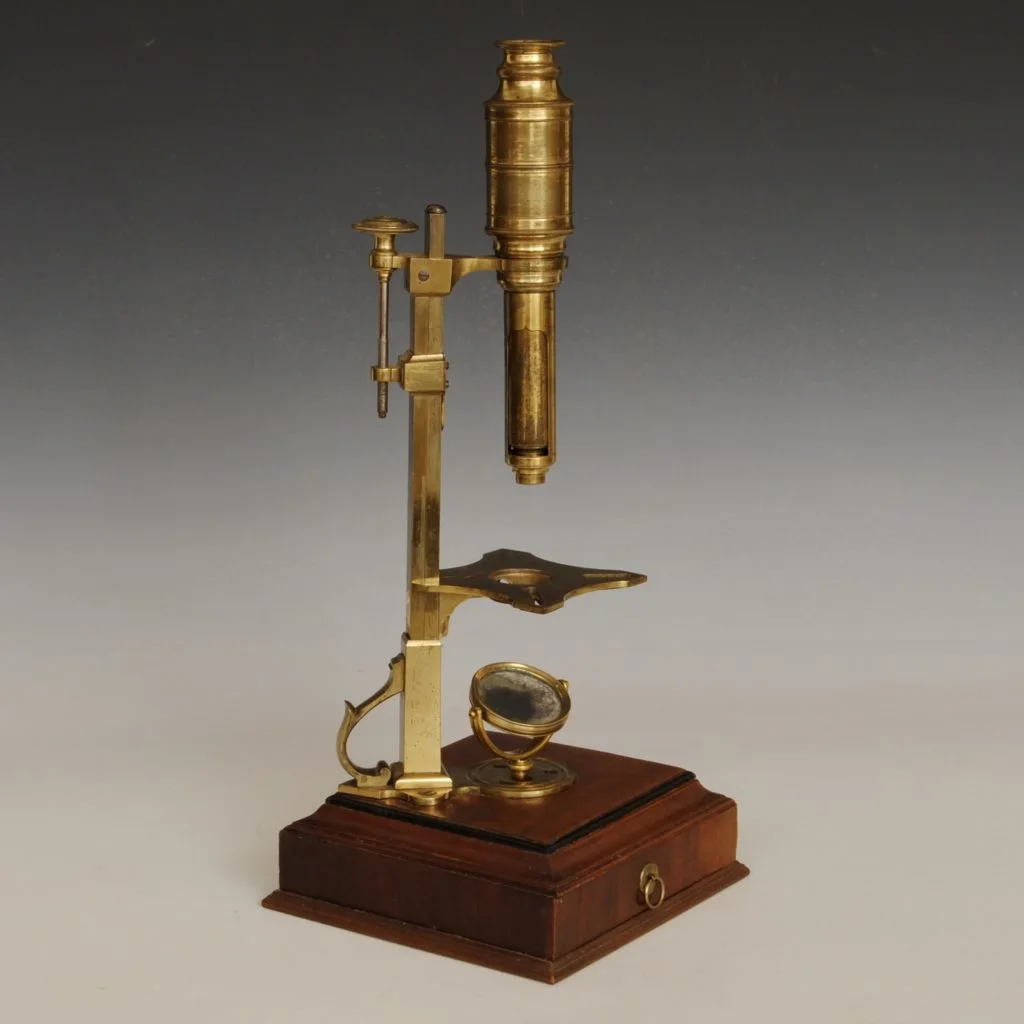
“There are three ways to contribute to scientific progress. The direct way is to conduct a good scientific study and publish the results. The indirect way is to help others make a direct contribution. Journal editors, university administrators and philanthropists who fund research contribute to scientific progress in this second way. A third approach is to marry the first two and make a scientific advance that itself expedites scientific advances. The full significance of this third way is commonly overlooked…
Some scientific instruments, such as the thermometer, the microscope, and the computer, have proved enormously useful over a wide range of domains. Institutional innovations—such as the peer-reviewed journal—should also be counted. Those who seek the advancement of human knowledge should focus more on these kinds of indirect contributions. A “superficial” contribution that facilitates work across a wide range of domains can be worth much more than a relatively “profound” contribution limited to one narrow field, just as a lake can contain more water than a well, even if the well is deeper.
No contribution would be more generally applicable than one that improves the performance of the human brain. Much more effort ought to be devoted to the development of techniques for cognitive enhancement, be they drugs to improve concentration, mental energy, and memory, or nutritional enrichments of infant formula to optimize brain development. Society invests vast resources in education in an attempt to improve students’ cognitive abilities. Why does it spend so little on studying the biology of maximizing the performance of the human nervous system?”